By:
Huaxinvending 2026-11-13How Many Cups per Hour Can an Ice Cream Vending Machine Serve?
Check ice cream vending machine capacity in cups per hour. Use a 15-minute rush test and a supplier checklist to see whether one machine can meet demand.
For an ice cream vending machine, a 20-second cycle works out to 180 cups per hour (3,600 ÷ 20) if each cycle produces one cup and the next starts immediately. That is a calculated rate. To check ice cream vending machine capacity for your venue, count the finished cups during a timed run that includes ordering, payment and pickup.Picture a Saturday afternoon at an indoor playground. Two birthday parties end a few minutes apart, and guests order 40 cups in the next 15 minutes. You have space for one machine by the seating area. The buying decision comes down to how many of those cups will be ready before the next group arrives. This is a hypothetical venue scenario.
How to read an ice cream vending machine capacity quote
Ask the supplier to define each number. The time spent making one cup, the number of cups a customer can collect in an hour, and the supply available before a refill describe different parts of the operation.| Measure | What it covers | What to ask the supplier |
| Seconds per cup | Time for one cup in stated conditions. | Does the timer include payment, toppings and pickup? |
| Timed output | Finished cups during a measured interval. | What was the menu, order pattern and starting stock? |
| Cups per refill | Portions available before a supply runs low. | Which supply runs out first at our portion size? |
Use the busiest 15 minutes to set your target
Suppose the playground test produces 30 finished cups in 15 minutes while guests order 40. Ten cups remain unserved at the cutoff. If the test pace held for an hour, the equivalent would be 120 cups per hour. An hour-long test, with the refills and interruptions you expect on site, is how you check whether the pace holds.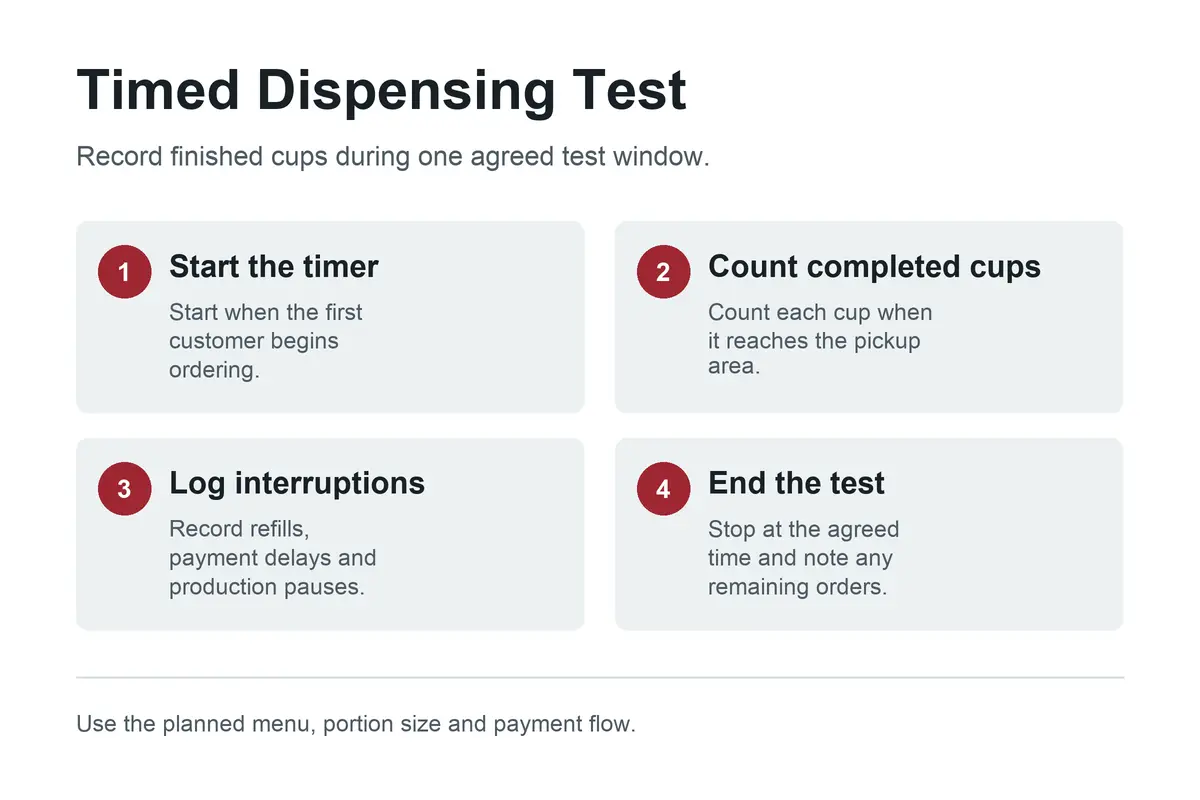
Figure 1. Illustrative example of orders and finished cups in the same 15-minute window.
Order timing can change the queue even when two venues have the same hourly total. In a second hypothetical example, one venue gets 120 cup orders spread evenly over an hour. Another gets 50 in the first quarter hour after a show and 70 over the next 45 minutes. At an output of 30 cups per quarter hour, the second venue has 20 cups left to serve at the first cutoff. Orders that arrive late in any window can still leave guests waiting.
If you already sell desserts, use order timestamps from several comparable busy days. Count cups, since one transaction can include several servings. For a new venue, start with party bookings or sales at a comparable concession and record the assumptions. Use the site selection guide to check whether guests can queue and collect orders without blocking the walkway.
Find out what slows the machine down
Production and replenishment
Test the portions and toppings guests are likely to choose. If output drops as the run continues, note when it happens and what the machine reports. Also record which supply needs attention first. An empty cup magazine, a mix refill and a pause between servings call for different follow-up checks.Ordering and payment
Log the time a guest joins the line, starts ordering and collects the cup. Those timestamps show how much of the wait happens before the screen and how much happens after ordering starts. For a card or QR setup, use the intended payment flow during the test. See the payment integration guide for the questions to raise with your supplier and payment provider.Ask the supplier for a timed acceptance test
Agree on the order schedule, test duration and acceptance criteria before the demonstration. Record the room temperature, portion size, menu, starting stock, machine configuration and payment setup. Huaxin’s B86 Max instructions list checks for topping and sauce dispensing, refrigeration and cup dispensing. For a capacity test, run the complete customer order through to pickup so you can see how those functions perform together.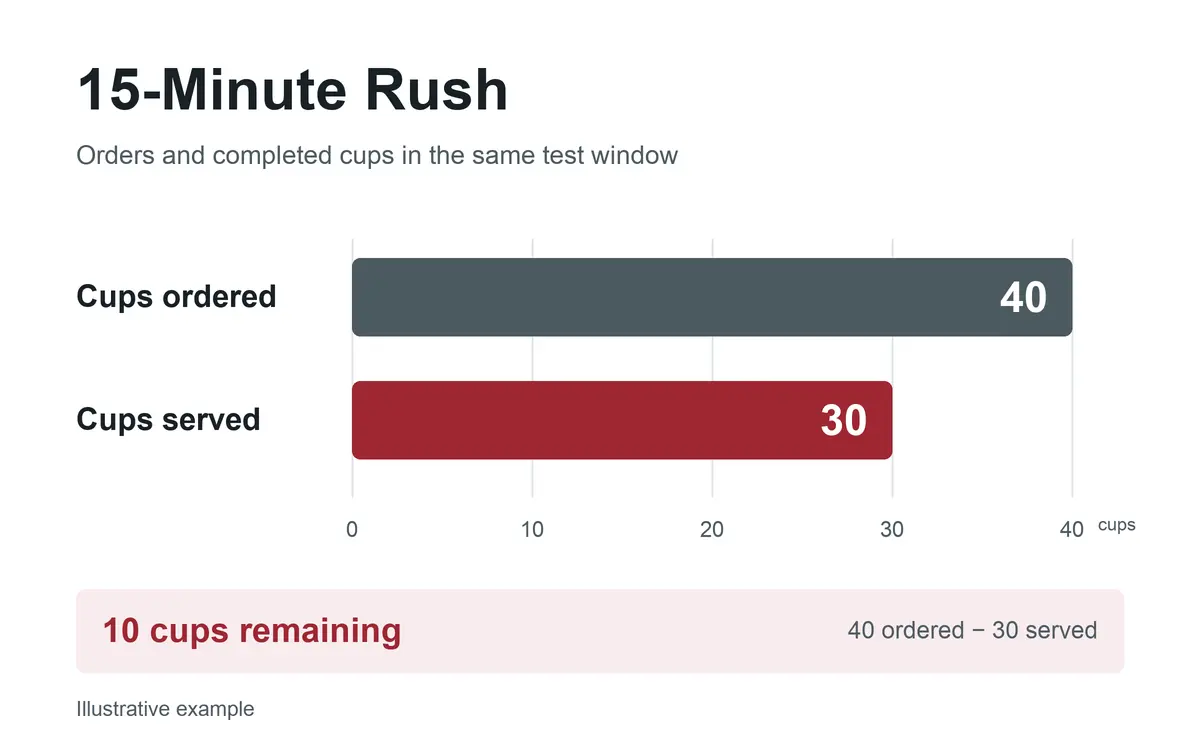
Figure 2. Record finished cups, delays and unserved orders within one agreed test window.
Start when the first customer begins ordering. Submit orders at the intervals expected during the venue’s rush, count usable cups at pickup, and log errors and pauses. If your purchase decision depends on a full-hour rate, run the test for a full hour and include any refills your team would normally make. Repeat the same rush pattern when the result is close to your target. Use the same conditions for both suppliers and keep the separate run results.
A supplier test record you can reuse
| Record | What to write down |
| Test conditions | Model and configuration, location and date, room temperature, menu, portion weight, starting stock, payment flow. |
| Demand and results | Orders and cups requested, usable cups at pickup, cups outstanding at the cutoff, failed or remade servings. |
| Delays and waiting time | Time and cause of refills or interruptions. For sample guests, log arrival, order start and pickup. |
| Agreed result | Record the actual result against your venue’s target and note the changes to retest before approval. |
Decide whether one machine is enough
Compare finished cups with expected demand over the same window, then check how long guests actually waited. If the machine runs out of cups, adjust the refill plan and repeat the test. If checkout delays account for the gap, verify the payment flow on the proposed terminal. Repeated production pauses with adequate stock and smooth checkout justify asking for another configuration or testing a second machine.Before adding a second unit, check that the venue has room for both queues and a workable restocking route. If the first test recorded repeated cup, payment or dispensing errors, use the troubleshooting guide to help identify what to investigate before you retest.
Use a short test to size the rush and a full-hour test when you need a sustained output figure. Buy against the results for your planned menu and operating conditions.
Frequently asked questions
Does a 20-second cycle mean 180 cups every hour?
It means 180 cups per hour under uninterrupted one-cup cycles. For a sustained figure, ask for the number of usable cups collected during a full-hour run with the planned service steps.Can I use cups per refill to estimate peak output?
Use cups per refill to plan stock. Measure timed output separately by counting the cups served during a specific rush window.Should I test plain cups or cups with toppings?
Use the combinations you expect to sell and record the portion settings. A plain-cup run can serve as a baseline when you want to isolate the time used by toppings and sauces.How do I count a failed vend in the test?
Record a failed vend as an interruption and keep its order open until the customer gets a usable cup or the order is canceled. If the machine remakes the order, count the cup once, when the usable serving reaches the pickup area.Request a capacity test for your venue
Send Huaxin your venue type, busiest 15 or 30 minutes, expected cup count, planned portion size and toppings. Ask what timed output data are available for the proposed configuration and what the supplier can demonstrate with your order pattern.Request a Capacity Test
References and Editorial Notes
References
Huaxin. Instructions for Use, B86 Max Series. 2025. Sections 4 and 7.2.1.
IceCreamMachineBest. How to Evaluate an Ice Cream Vending Machine Supplier Before Importing. 2026.
IceCreamMachineBest. Ice Cream Vending Machine Payment System: MDB, Cards & QR. 2026.
IceCreamMachineBest. Ice Cream Vending Machine Troubleshooting: Common Problems and First Checks. 2026.
IceCreamMachineBest. Best Places to Install a Robot Ice Cream Vending Machine. 2026.

About the Author: Huaxin Company Pioneer of Smart Ice Cream Vending Machines, with 13 years of R&D and manufacturing expertise. Holds CE, RoHS, NSF, and ETL international certifications. Holds over 24 patents in China and commands a 70% market share.